
When we lament the ‘death’ of the high street, the conversation typically fixates on what goes on, or doesn’t, in its daytime hours – the unpredictable fate of boarded-up storefronts, salons, and coffee shops narrates the troublesome topic.
Far less attention is given to the cultural and monetary value that its nightlife provides to it. But a thriving evening economy is just as vital to a neighbourhood’s prosperity and identity – and right now, its future looks bleak.
1 in 5 nightclubs in the UK have closed their doors since the beginning of the pandemic, a trajectory that spells total extinction by 2030 if it continues (NTIA, 2023). Alongside it, local music venue and pub closures have reached a record high (Music Venue Trust, 2024). And sure, crippling rents, exorbitant energy bills, constraints on customer spending, and ill-fitting government intervention can all be rightfully credited as conspiring to wipe out these formats. But the real killer? Nightlife has become tragically outdated.
All dressed up with nowhere to go
Even worse, this decline is a fate that has the customer backing to be avoided. The loneliest generation yet, the appetite for IRL connection is growing amongst the very generation that is turning a blind eye to these spaces (Cigna, 2023). With more 18-34-year-olds living at home with their parents than ever before, Gen Z are cooped up and angsty to get out (Census, 2021). Social media is slipping as their preferred way to communicate (Beat 102, 2024), and online dating platforms are seeing stocks plummet as young adults reconsider the appeal of finding companionship via a screen (Match Group, 2024). Feeling cheated by the isolation the pandemic forced upon their ‘prime years’, they’re yearning for shared experiences, meaningful encounters, and a sense of belonging that can only come from being part of a physical community.
But they’re not finding the answer to it at the bars or clubs that once embodied this very purpose. Instead of packed dancefloors, they’re chosing their friend’s houses, cafés, and parks as their third spaces of choice (Mintel, 2023). Stuck in the past and failing to shift their approach to evolved lifestyles, hospitality, leisure, and entertainment brands are losing out on a generation’s worth of spending power to these ad-hoc social hubs.
In this month’s F Word, we take a closer look at why, when lonelier than ever, are young people choosing not to participate in the nightlife scene. With a clearer understanding of their motives, we spotlight the brands attempting to dodge that travel-agency-fate of expired market relevancy by adapting to this customer’s shifting habits, priorities and attitudes.
Household’s Fanalytics insights*
We asked 250 people aged 18 to 30 the reasons behind their hesitancy to hit the town in order to get to the crux of what brands are failing to deliver on.
They’re not boring, the format is
72% of our respondents revealed a desire for a richer social life, with an overshadowing concern expressed throughout their responses that they are “wasting” their young years. Yet only 21% of them go out more than once a week.
This yearning for a richer social life clashes with the realities of a generation navigating a complex and unfavourable landscape. Faced with new pressures and anxieties, Gen Z is redefining what it means to them to connect, socialise, and experience the world. This shift presents a challenge for brands, demanding a deeper understanding of these evolving needs and a willingness to adapt to them.
#1 Impulse comes at a cost “I can’t afford for it to be bad”
Unsurprisingly, 84% of young people cite cost as the main barrier to a night out. Forced to adopt a ruthless cost-benefit-analysis approach to their socialising, customers are getting pickier with their time and wallets. A prioritisation of meaningful experiences has overtaken frequent ones. They favour the bigger-ticket events from names they’re familiar with and can therefore trust to deliver on a good time, over hedging their bets with hefty on-the-door entry fees for an experience that they can’t judge until inside. This necessary frugal take has killed the spontaneity that sits at the core of many of our “best night ever” stories. To combat this, niche IYKYK digital communities are migrating their strong fanbases into the real world to guarantee a good time without the need to book in advance. Think Charli XCX’s ‘superfan’ private account @360brat where last-minute alerts to events send fans scrambling for a chance to experience something unique.
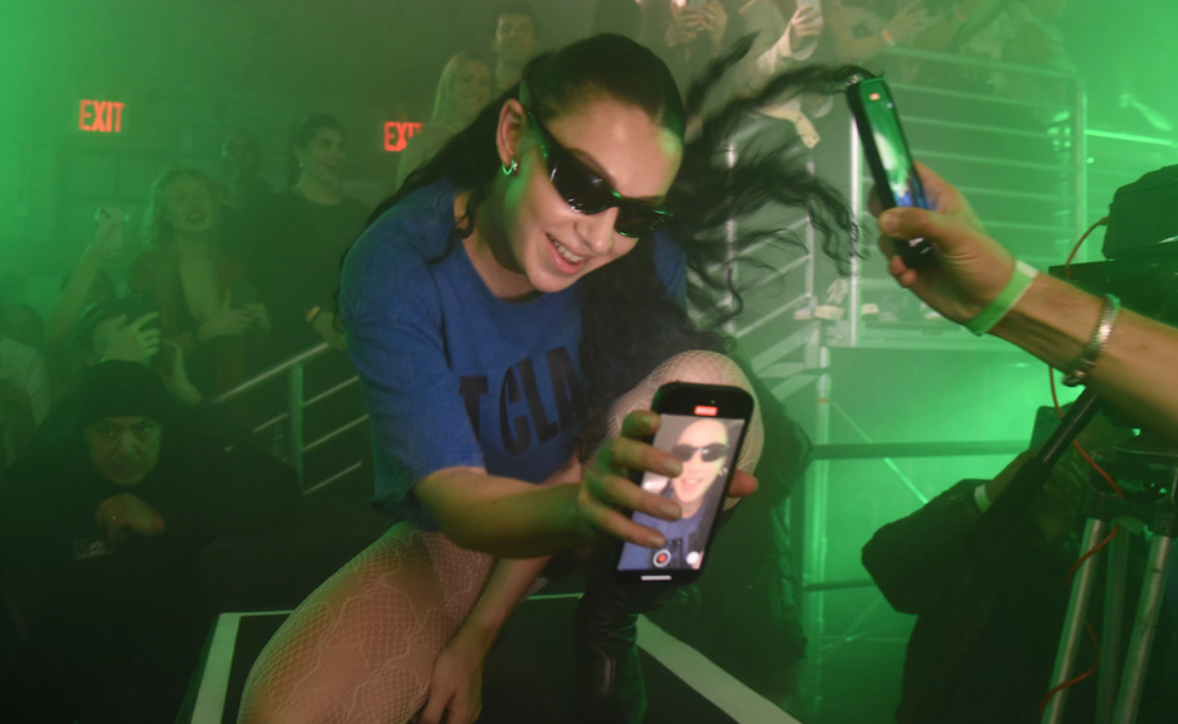
#2 A steer towards sobriety “It’s not worth the hangover”
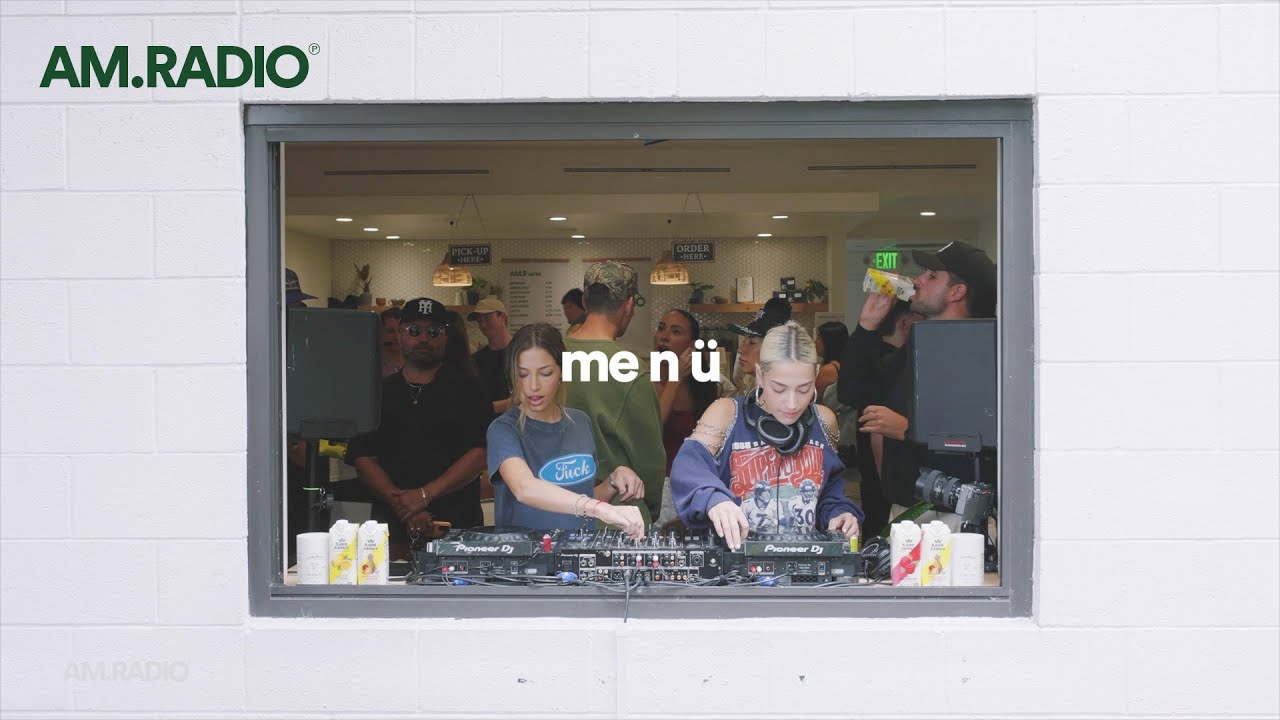
49% credited their disinterest in alcohol as a key turn off to taking part in the nightlife scene. Gen Z have emerged as the most sober generation yet, with many embracing “damp” lifestyles that perceive alcohol is a treat, not a given (YouGov, 2023). It’s a behavioural shift that delivers a considerable challenge to business models that, traditionally, have been based around the consumption and sale of alcohol. It’s left organisers torn between trying to get alcohol sales up and offering a broader range of events that are less focused on drinking. We’ve seen a rise of blended venues that offer the necessary doses of dopamine and escapism, whilst de-emphasising the role of heavy drinking. Like DJs bringing the rave to bakeries or coffee shops, think AM Radio that brings DJ sets to the ‘right’ side of early morning across cafés in Los Angeles, or the general increase in competitive socialising venues like Putshack and Fairgame.
#3 The vulnerability issue “You’re always at risk of being filmed”
27% flagged an anxiety towards constant surveillance as the reason they steer away from public nightlife. In an age where every move is tracked, analysed, and potentially broadcasted, that carefree abandon crucial to building character and relationships in young adulthood – no longer feels worth it. This hyper-awareness of an ever-looming digital footprint extinguishes the carefree feeling that fuels a great night out. Why risk a viral moment of dancefloor abandon when it could come to haunt your future job prospects? Hence the retreat to the privacy of house parties, dinner party hosting, and friendly flat get togethers, where freedom of expression reigns supreme and is unburdened by the judgmental gaze of the internet. Dutch music organiser Off the Radar has clocked this uncomfortable attitude towards letting loose in the digital age, urging its audience to connect with others by shutting devices, including phones and smartwatches, out of sight in personal lockers upon arrival at its events.

Nightlife’s wake up call
This conversation is not just about keeping the party going. Nightlife is vital to the economic and cultural health of our cities. It’s where communities are forged, subcultures thrive, and memories are made. If we want to save our high streets, we need to reimagine the night.
This means embracing hybrid venues, alcohol-free experiences, and events that cater to a generation that values connection, wellness and privacy. It’s time to ditch the tired formulas and remix some much-needed innovation, diversity, and inclusivity into the after-dark scene.
Foresight: Over the next 3-5 years, brands from beyond the category parameters will emerge to fill the void the closures of fixed venue locations have left behind. Expect to see unexpected players enter the nightlife arena, re-imagining their own dayparts to transform into multi-faceted social hubs. Museums will ditch daytime docents for nocturnal DJs, gyms will fuelling late-night sessions with endorphins and green juices, and bookshops become intimate speakeasies where literary discussions flow alongside craft cocktails.
Farsight: Come 5-10 years time, perhaps the concept of a fixed “nightclub” location will dissolve entirely and be replaced by ephemeral, pop-up experiences that can better flex to the changing tastes and attitudes of the customer. Augmented reality and personalised soundscapes will transform any location into a temporary dancefloor. These decentralised parties will cater the niche communities and individual preferences. By prioritising spontaneity and self-expression, nightlife will be repurposed by fluid, adaptable, and ever-evolving spaces.
Whether your brand is a seasoned player in the nightlife economy looking to evolve alongside changing behaviours, or a daring category outsider intrigued by the potential to take advantage of a widening gap, get in touch to consider just how to get Gen Z dancing (and spending) again.
Or drop her an email: [email protected]
*How did we get our research?
Through our real-time research tool Fanalytics, we connected with 250 people from across the country to collect their views. This proprietary research platform gives us a unique lens that enables us to bring a brand’s current (and future) fans into the conversation, unlocking data, building ideas, and testing concepts as they launch.