
Gyms have fast become a favoured hangout spot, but the format feels out of its depth when it comes to its newfound, social purpose.
As the world adds a new crisis to its roster every day, it’s hardly surprising that wellness has become a go-to coping mechanism for many. It offers a guaranteed and much-needed sense of agency – no tricks, ladders, or loopholes to navigate, what you put in is exactly what you get out, be it a fitness or skincare routine. It’s an addictive dose of autonomy that has supercharged an already lucrative industry.
It explains why gyms tell an unlikely story of success in the thick of a cost-of-living crisis. Few industries are safe from feeling the cull it comes with, especially not those that require customers to watch a direct debit take a generous bite out of their could-be disposable income each month. But what could have been another first-to-go victim of reluctant household budget cuts, gyms have not only managed dodge, but experienced growth amid them. At a time 75% don’t feel great about their personal finances, 73% of them plan to maintain or even increase the frequency of their gym attendance. (CBRE, 2024). The UK racked up over 600 million gym visits last year, with membership revenue reaching £5billion, up 13% from 2022, becoming one of Europe’s highest-performing fitness sectors (UKActive, 2025). It’s mirrored across the pond where US gym usage is nearly double pre-pandemic levels (ABC Fitness, 2024).
And it’s young adults that are driving this boom. A cohort with a very well documented case of third space cravings, 29% of new joiners last year were Gen Zers (ABC Fitness, 2024).
But with new behaviours often comes new motivations. And with new motivations, come new needs that today’s gyms are barely meeting.
The conversation has changed, gyms haven’t
Wellness has undergone a pretty radical transformation. It feels like just a decade or so ago, it wasn’t even really a thing. Skim through the health section of a 00s magazine and you’ll probably find a wince-worthy article degrading a reality star’s shameless show of cellulite, a suspicious diet recommendation sat alongside it, and very little mention of the W-word. But fast forward a few years (maybe speeding up past Gwyneth Paltrow’s infamous Goop era), and how we speak about exercise in particular has morphed from a punitive pursuit of physical perfection to a more holistic all-encompassing embrace of emotional wellbeing.
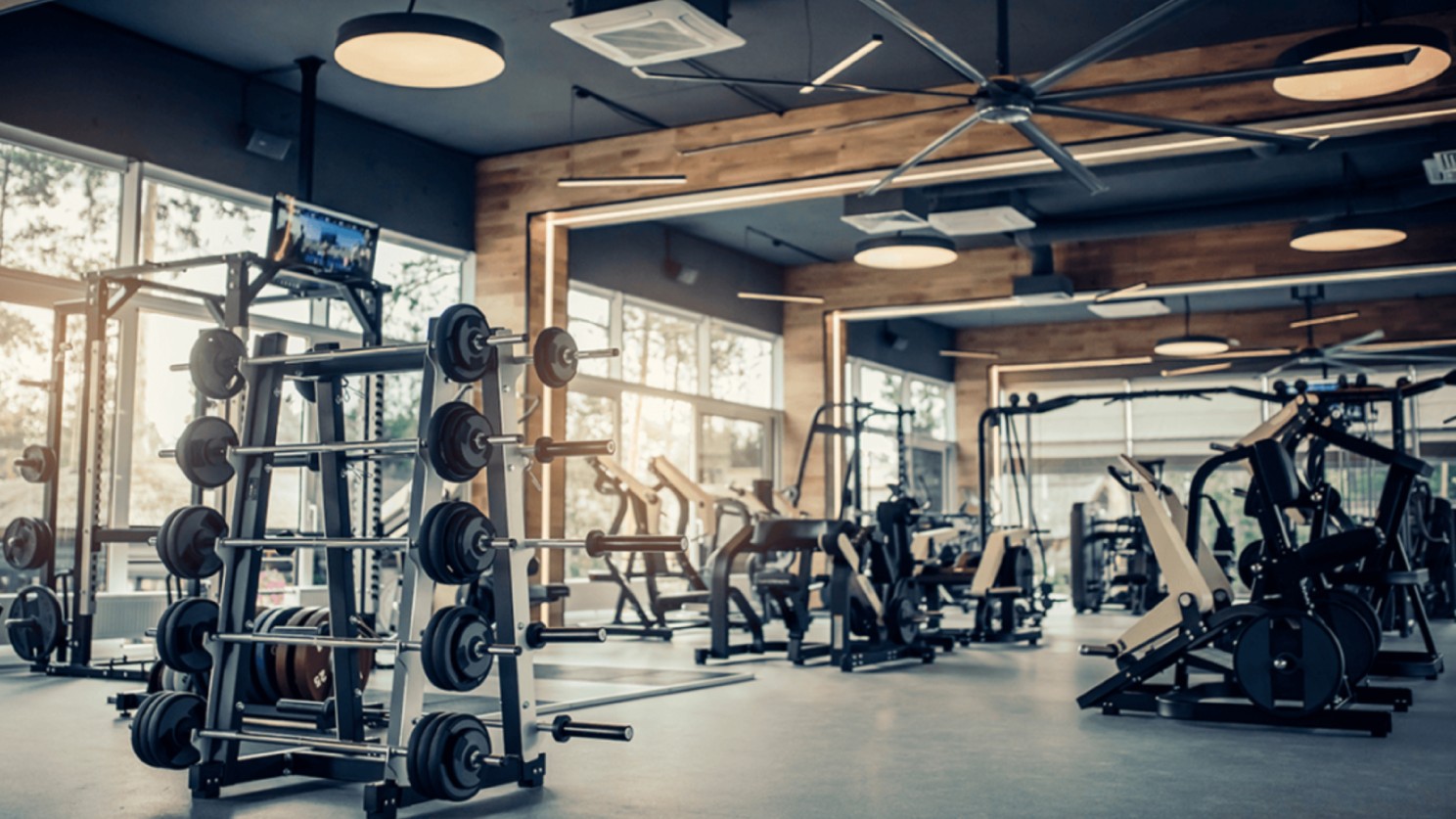
Yet walk into any mid tier gym in 2005 or 2025 and the biggest change is probably the paint job. Sterile surfaces, awkward “how many sets left?” chit chat, solitary figures tethered to treadmills, and a general utilitarian “factory” look and feel to it that prioritises efficiency and capacity over atmosphere and emotional stimuli. The format has remained stubbornly static in the experience it offers despite decades worth of cultural shifts and societal re-evaluations of the purpose it serves.
But they might not be able to get away with it for much longer.
While many mainstream gyms lag behind, the fitness landscape is witnessing a bifurcation: many customers are either ‘trading down’ to highly affordable, no-frills options or ‘trading up’ to premium, more fulfilling experiences. It’s in this ‘trading up’ segment that significant innovation is occurring. Here, brands like Third Space and Surrenne have already begun to disrupt the traditional, solitary format by leaning into the burgeoning desire for social connection. Because if you’re going to part with that direct debit, why not get what you actually want for it?
Throw in the rapidly growing awareness of, and access to, appetite suppressing drugs like Ozempic and Wegovy that possess a quick-fix appeal that will inevitably drastically challenge and change traditional approaches towards weight loss, ergo: gym attendance. Already, 53% of US adults believe they’re helpful for those looking to lose weight (Pew, 2024). Cue a peculiar shift in gym usage. If you’re not going for the physical weight loss results, what else could the space offer you?
Additionally, other alternatives are also emerging, actively meeting these evolving needs and drawing customers away from traditional gyms altogether. From last year’s run-club-phenomenon to this year’s rise in social saunas, these emerging formats, clubs, and groups are proving that fitness can be inherently social and experience-driven. They offer a sense of belonging and purposeful connection that many conventional gym models fail to deliver on, presenting compelling reason for customers to invest their time and money elsewhere.
In this month’s F Word, we explore how gyms can evolve and future-proof to create spaces that catch up to the feeling-fuelled version of fitness we’ve come to know today.
Household’s Fanalytics insights*
From Hyrox junkies to Pilates pros, we asked 250 regular (twice a week or more) gym-goers what their motivations are when it comes to a trip to the gym in order to weigh up where the format isn’t delivering on them. Beyond the obvious physical (weight loss, muscle gain) and emotional (stress reduction, anxiety relief) results, social motivations took up a response proportion worthy of a closer look.
Social fuels fitness today
This year’s Lululemon’s Wellbeing Report, aptly titled ‘The Pressure to Be Well’, found that the constant pressure to improve and appear well is making us less so, to the point that global wellbeing actually stagnated last year. The exception? When people used exercise as an opportunity to socialise, which actually led to a 23% increase in perceived wellness. (Lululemon, 2024)
This significance of socialising was brought to light in our response data, particularly from respondents aged 16 – 30. To 41% of them, fitness is more than a means to keep physically fit: it’s a belief system that encompasses self-care, empowerment and, as the short lifespan of the pandemic-induced resurgence of at-home workouts proved, community.
So much more than a place for physical training, the data infers that gyms have firmly slotted themselves into customer lives an essential social pastime, so why are they so, you know, not social?
A meet-up with friends
Over a quarter (27%) named meeting up with friends as a core motivation for visiting the gym, with one respondent caveating that they “rarely go alone”. So, whilst younger generations may get a lot of stick for not going out, they are somewhere getting hot and sweaty to blasting music – just not where they’re expected to be. In London right now, there are more 24-hour gyms than 24-hour nightclubs. The number of late-night licences for pubs, bars and clubs is down from 183 in 2021 to just 58 in 2024 (BBC, 2024). Meanwhile, 24-hour, all-night gyms have quietly surged past 300. It seems to be an acceptable filler, offering the appeal of “killing two birds with one stone” as one respondent puts it – simultaneously catching up with friends and gains. 1Rebel’s unique night-club-cum-gym experience complete with a live music and Prosecco Fridays that offer a free glass of après-workout fizz on a to kick-start, or make, your weekend.

A space to make some new ones
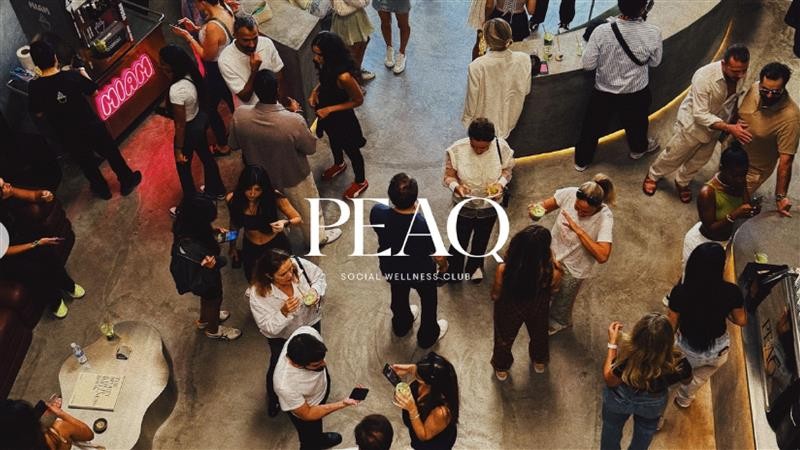
The second most common motive (19%) was “to meet people”, be that life or business partners. It’s backed by the research that 42% have formed new friendships whilst out keeping fit (The Gym Group, 2024). And it’s why dating apps like Tinder and Thursday have jumped on the run club bandwagon, launching their own sporting activations in attempt to maintain their user base as the way we meet people changes. Yet most gyms today are still spatially designed to be a lonely feat. Apart from the occasional awkward eye lock with someone in your class through the floor to ceiling mirror in there, it’s a solo mission. Peaq, a social wellness club in Dubai that deliberately blends fitness with social interaction, taking wellness from a solitary endeavour to a collaborative journey by encouraging members to recover, reset and recharge, together. Despite existing amongst the more premium side of the category, it’s diverse, flexible use its space (from matcha parties to supper clubs) is a fresh lesson any level brand can learn from.
A community they belong to
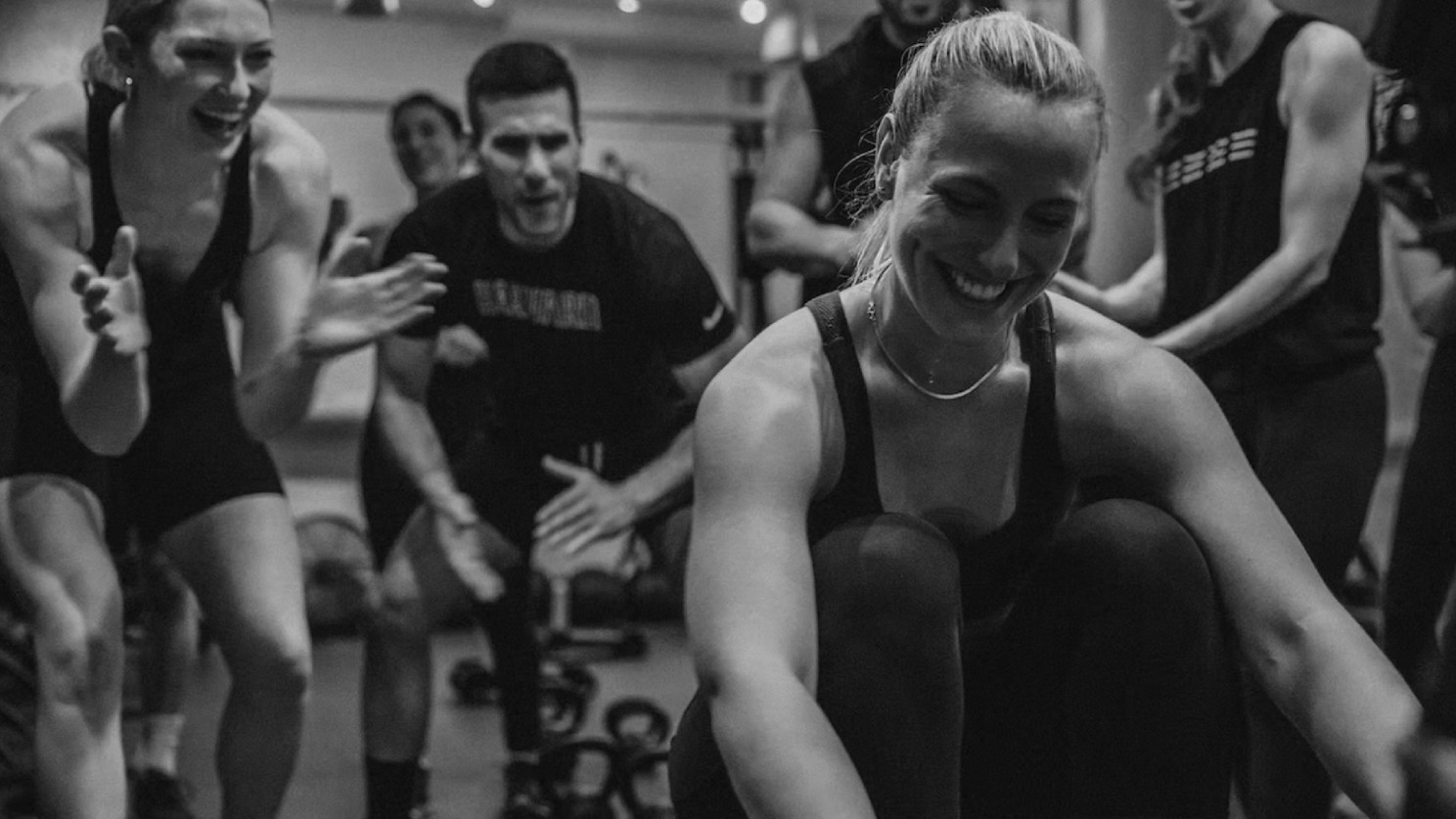
Lower but still significant to the conversation, 14% mentioned community and belonging. A departure from the overtly social but sharing the same sentiment that pushes gyms into the more holistic version of today’s wellness agenda. Beyond their core function, shrewd gyms have become ‘third spaces’ for Gen Zers and millenials, providing opportunities to fraternise with other humans outside of work, school and home. With more of them living with parents or flatmates for longer, it’s a welcome stand in. Enter innovators like New York City gym The Athletic Clubs that structure their workout classes as ‘fitness squads’. Members join a cohort matched by ability that go on to train together, stay for “coffee and banter” after sessions, meet for events and weekly happy hours, and communicate via private WhatsApp chats.
Craved for connection, designed for loners
Today, gyms feel like their newfound social role, ironically, doesn’t quite fit. But like most of clothes that don’t, they did once upon a time. Greek gymnasiums hosted as many philosophers as they did athletes, and Roman thermae existed as as a place to gather and converse.
Of course, there’s always going to be the need for lone missions. For every social butterfly amongst our respondents, there was also the headphones-on hermit that just wants to soak up that precious, solitary decompression the gym offers. The real tightrope walk for the future will be designing spaces that expertly cater to both, fostering vibrant community without ever forcing an agenda on those who just want to zone out for a little while.
Foresight: Over the next 3 – 5 years, traditional gyms that cling to their utilitarian approach will be out priced by their no-frills counterparts and out-valued by their premium ones. Those aligned with the future will stop thinking of themselves as just fitness facilities and pivot from solitary sets to social-second destinations. This could mean purposeful partner takeovers within the space that play into pre-existing communities if making one from scratch seems a tad too daunting. Imagine a corner of your gym with Freddie’s Flowers grab-and-go bouquets or Blank Street sweet treats to capitalise on that self-care mission, or a Refy freshen up station or Bao small plates for that post-workout, pre-where-to-next one. It would allow for higher dwell times and make the experience less about isolated exertion and more representative of the important lifestyle role gyms have already come to play.
Farsight: Come 5 – 10 years’ time, the very concept of a “gym” as we know it might be as unrecognisable as the never-before factors shifting the landscape it operates in today. The rise of GLP-1 drugs means the sole pursuit of weight loss will no longer be enough to drive memberships. Instead, we might see the proliferation of hyper-niche, more modular, and localised ‘wellness collectives’ – think bespoke walking clubs with dedicated clubhouses, urban retreat centres offering social saunas, or even pilates studios that double as other hobby spaces. These decentralised, experience-first models will cater directly to the feeling of well-being and belonging, making the old-school, lonely gym a relic of a pre-social past.
To find out how Household reimagines spaces into emotionally intelligent, experience-first environments, like our work with the Harry Potter Flagship in NYC, speak to Elisa Barnard: [email protected].
*How We Know: Beyond our work with entertainment brands, our Fanalytics research tool engaged 100+ fans and experience lovers to uncover these insights. It’s real-time, it’s actionable, and it’s all about understanding the evolving audiences that matter most to your brand to drive innovation and revenue.
