It's a new experience era where QSRs must have it all... fun AND fulfilment, commerciality AND cultural currency.
On TikTok, food discovery doubles as entertainment, Mukbang videos turn everyday meals into sensory theatre, and even a Blank Street matcha order earns online clout. Brands are feeding into this hype. Dave’s Hot Chicken has fans queueing around the block for its waiver-protected “reaper” spice level. McDonald’s brand collabs – spanning BTS to crocs -command headlines as if they were album drops. Chipotle flips viral menu hacks into official menu items at record speed. But here’s the challenge: when the novelty of a limited edition collaboration fades, what keeps foodies coming back for more?
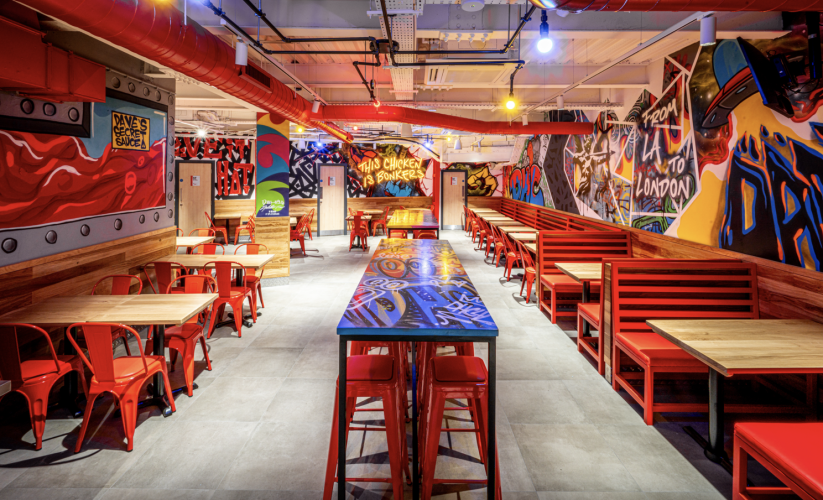
Dave’s Hot Chicken, Shaftesbury Avenue, London
Minimize imageEdit imageDelete imageThe hype exists online, but not always onsite
Hype-driven marketing spikes attention but rarely earns loyalty on its own, with the everyday experience of QSRs challenged to kept pace with the dynamism of food culture. Too often, high street restaurants or drive-thru pit stops run on an outdated formula: rigid mealtimes, static menu boards, transactional service and efficiency over enjoyment. But with the tightening squeeze on discretionary spend, eating out must be “worth it”. For QSRs to thrive, they need to become more than refuel pit stops – they must deliver the same energy, surprise and community people find in their feeds.
In this month’s F Word, we explore how quick-service restaurants can set the pace in designing experiences that sustain the hype, anticipating and shaping the evolving desires of today’s food fans.
Household’s Fanalytics insights*
We asked 300 food fans what drives them back to their favourite QSR spots and what they’re really craving beyond the food. The answers reveal a gap, and an opportunity for QSRs to match the hype they’re serving elsewhere.
Turn ‘dead’ time into prime time
While the hype of a new menu item gets fans in the door, 85% told us waiting time is the most frustrating part of eating out. On entry, ordering and collection most QSR rituals are largely transactional, stripped of the anticipation and inspiration people desire. The result? Energy dips, phones take over, and the restaurant becomes a stopgap not a destination.
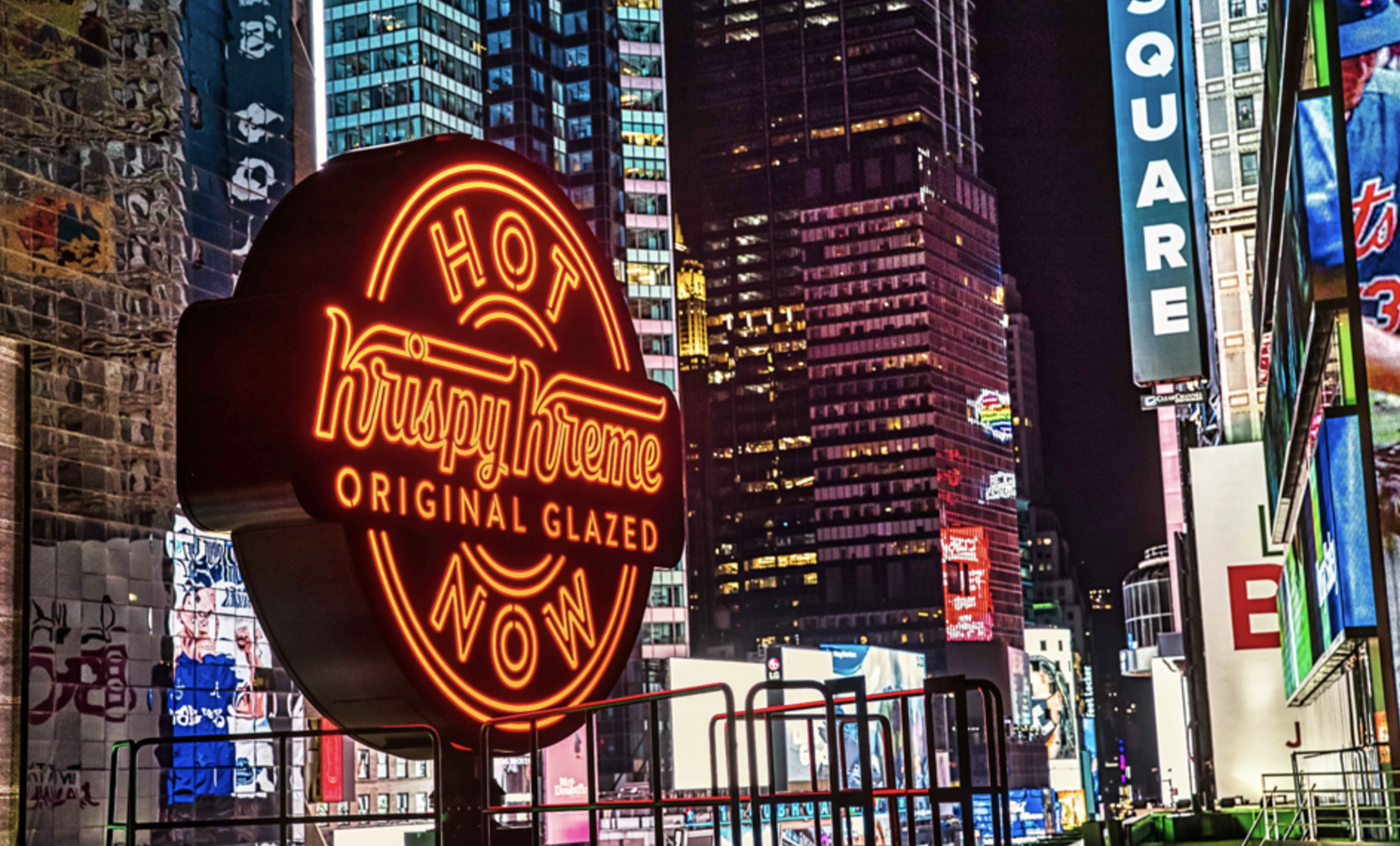
But what if waiting time wasn’t wasted, and instead monetised? Transformed into hyper-engaged minutes where brands can serve content, spark trial, upsell extras and build brand love. Sweetgreen celebrates the prep moment as food theatre. Dominos’ turned their delivery tracker into a meme-level gamified waiting experience, giving people the visibility they crave. And Krispy Kreme’s glowing “Hot Now” sign creates a Pavlovian buzz before you’ve even tasted a bite. These examples show that emotive high-points must be designed into the journey, because sensory engagement often peaks before your food hits the table.
Restaurants have the opportunity to transform “dead time” into prime brand time. Not only will this reduce friction, but it will also turn transactional moments into experiences foodies love, return for, and pay more for.
Beyond the feed: turning engagement into experience
40% told us they’d visit their favourite QSR chain more often if the experience itself felt more entertaining. Food fans are used to a steady diet of novelty, cultural reference and personalised content online, but in-restaurant moments rarely match this thrill.
57% of fans told us they’d return more if restaurants surprised them with “unexpected extras”, this could be moments to interact or brand easter eggs that break routine. Why not translate cultural and campaign content into real, immersive touchpoints not just window posters and promotions. Imagine a ‘Chef’s Eye View’ of the fried chicken seasoning table in real-time, an immersive collab toilets takeover, or a live ai-enhanced customisation visualiser – the surprise doesn’t have to be expensive or time-intensive, it just has to be something fans can’t get elsewhere. A reason to step through the door, not just scroll past.
Once over the threshold the challenge is turning hype into habit. To do this, brands much demonstrate they value customer’s time well spent, as much as cash. Selfridges’ Unlocked membership programme does just that, customers collect “keys” not just for purchases but for engaging with experiences in store. The most engaged customers reach VSP or “Very Selfridges Person” status, which comes with elevated access, surprise rewards and cultural cachet.
In our work with Netflix Bites, we showed how immersive, IP-driven experiences transition casual fans into active participants. This isn’t just about earning loyalty, but also monetising engagement, extending dwell and creating upsell opportunities. How? By using your brand’s unique story in unexpected ways that build the emotional stickiness competitors can’t copy.
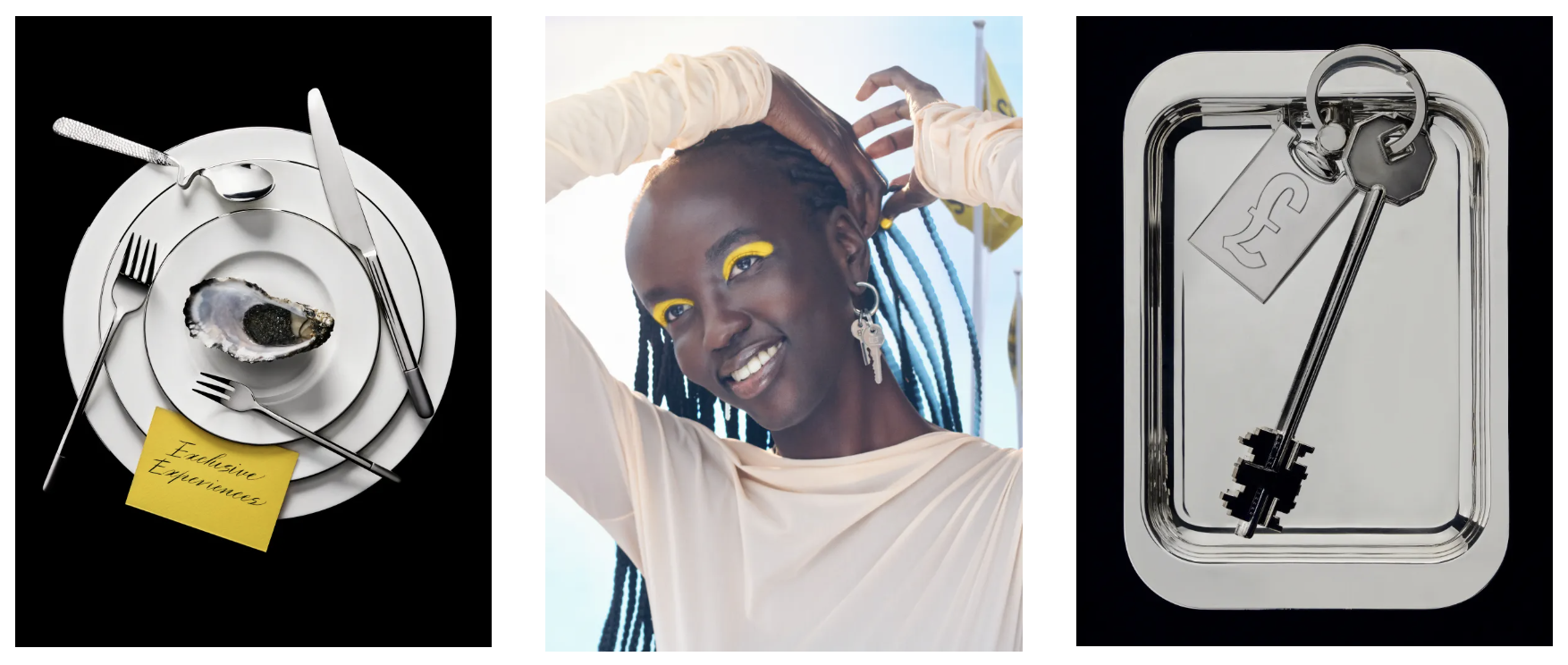
Selfridges Unlocked
Moments beyond mealtimes
Eating out today isn’t just about feeding hunger; it’s about fuelling happiness. From 2022 to 2024, conversations online about the emotional benefits of eating out have doubled (Citizen relations, 2025). Rather than a guilty habit, fans are reframing quick-service meals as self-care: a pick-me-up, a reward or a way to socialise. For young people especially, eating out is as much about connection as consumption with 6 in 10 teens admitting they order food when out with friends purely to socialise even if they’re not hungry (Digi Insights, 2025). It’s not just young people, nearly half of families say their top reason for eating out is to spend quality time together (National Restaurant Association, 2024). QSRs already host these emotional rituals, but the spaces themselves rarely reflect that role.
That’s why Household developed Hightales with the Greene King group to offer a family-friendly all-day destination that turns everyday eating occasions into moments of escape, connection and fun for all ages – putting the space itself at the heart of the experience. Our research shows that 72% of respondents are more likely to dine in if the space matches their mood and needs: quick bites, slow hangs or solo escapes. Restaurants that design for these “emotive missions”, not just functional mealtimes, will win in this new era of engagement. In Asia, Ichiran Ramen’s private solo cubbies transform eating alone into an almost meditative ritual. QSRs can learn from these cues, creating spaces where hanging out, recharging, or even escaping for 20 minutes feel as valued as the food itself.
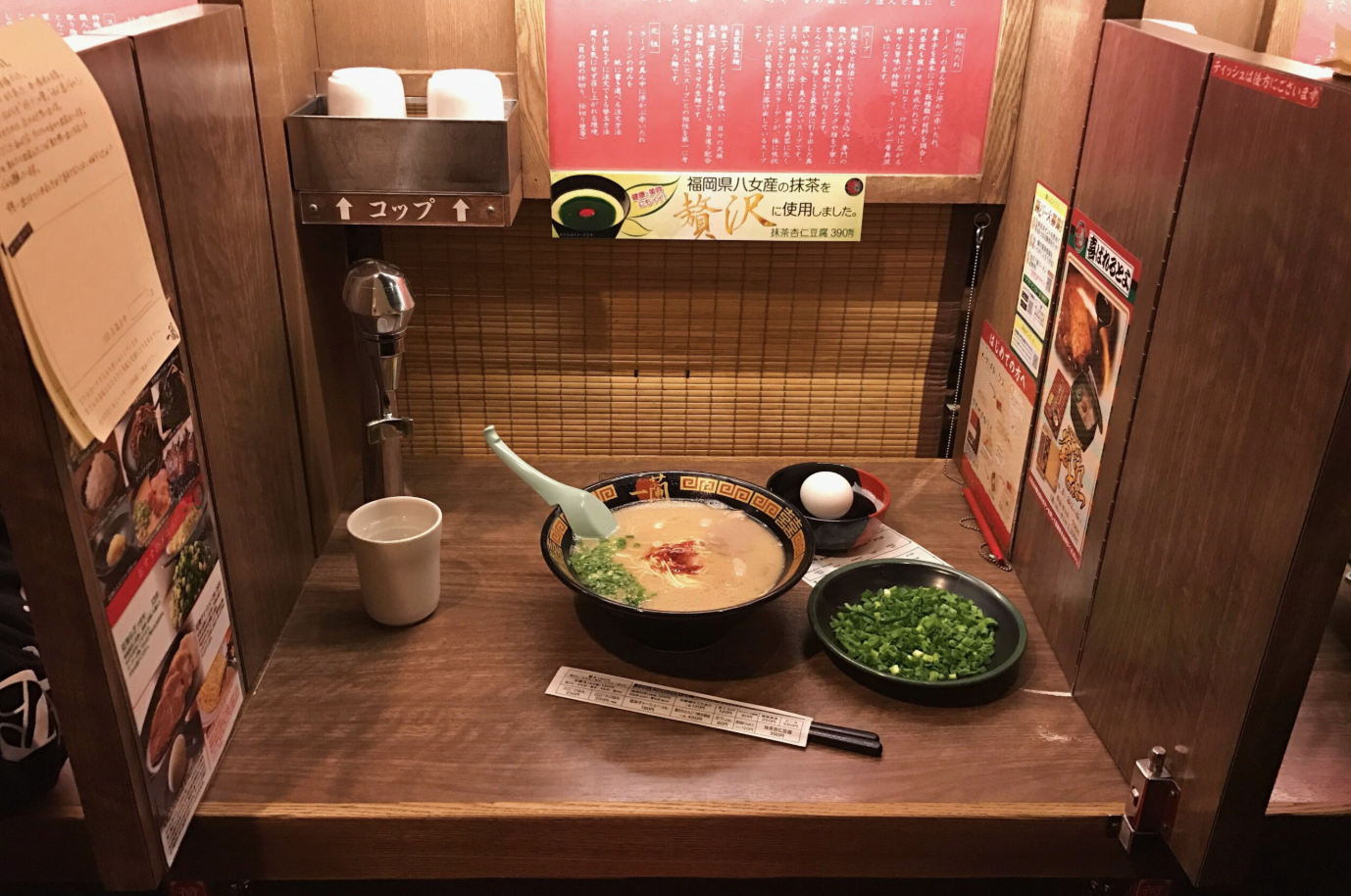
Ichiran Ramen
QSRs as engines for engagement and hype-worthy experience, turning customers into lifelong fans
Foodie fans have told us that they want surprise, connection and reasons to stay beyond the tray. To become true hype engines, restaurants must bake cultural energy into the everyday experience. This means:
- Building engagement into every step, so the journey itself is a tasty as the food.
- Turning entertainment into experience, so fans walk away with stories not just receipts.
- Designing for emotions not just meals, so restaurants become mood boosters and connection hubs, flexing to time of day.
This isn’t about gimmicks. It’s about making every visit feel like a fan moment worth the money, the time and the hype.
Foresight: Over the next 2-3 years, winning brands will reimagine the restaurant as a stage for inspiration and delight, not just fulfilment. They’ll translate hype culture into a completely hybrid experience, think augmented ordering with dynamic displays that respond to your presence, live feeds on brand-in-culture moments you won’t find elsewhere, or gamified drops that unlock only in restaurant. They’ll design around emotive missions, creating brand rituals around the little treat, the group hang, the pick-me-up, curating for the moments that live beyond mealtimes.
Farsight: Looking 5-10 years ahead, QSRs could become fully adaptive environments. Imagine diners adapting their environment in real-time, controlling lighting and music to suit their mood or occasion. Picture AI service kiosks that banter with you while you wait, curating content, recommending hacks or even creating personalised menus on the spot. In this future, restaurants stop being backdrops and become co-stars in people’s social lives. Flexible, interactive worlds where fans feel like participants not just customers. This is how QSR brands will turn every visit into an experience people continue to hunger for.
To find out more about Household partners with leading QSR brands to design immersive, fan-first restaurant experiences that drive return, get in touch: karen@household-design.com
*How We Know: Beyond our work with QSR brands, our Fanalytics research tool engaged 300+ fans and experience lovers to uncover these insights. It’s real-time, it’s actionable, and it’s all about understanding the evolving audiences that matter most to your brand to drive innovation and revenue.