How should a brand reward its customers for loyalty? What was once a simple exchange of points for discounts is no longer straightforward.
Loyalty programmes have anchored CRM strategies for decades. Tesco’s Clubcard scheme turned 31 last month. Launched in February 1995, it pioneered points-for-purchase rewards redeemable with the retailer and partners. It remains one of the biggest success stories in loyalty. As of early 2025, the programme has over 23 million UK members. That represents more than 80% of UK households and drives over 82% of Tesco sales through the scheme. Continuous innovation keeps Tesco and its peers aligned with customer expectations. Tesco recently won awards for its AI-powered Clubcard Challenges, which personalise incentives at scale.
Yet new research suggests fatigue with traditional schemes. Roughly a third of retail consumers now say points-for-purchase systems, and the effort of managing them, are more trouble than they are worth (KPMG, 2025). The result is quiet disengagement. Emails ignored. Points left to expire. In some cases, programmes abandoned altogether.
At the same time, brands increasingly position themselves as lifestyle tastemakers rather than product providers. Loyalty therefore needs to reward more than purchases. The transactional model is fading. To secure long-term commitment, brands need to shift the question from “How much did you spend?” to “How much time did you engage?”
Loyalty is evolving from a financial mechanism into a fan-first investment. Today’s programmes are less about discounts and more about building a brand universe where participation, attendance and advocacy become the real currency.
Loyalty’s weakest link
Globally, brand loyalty is under pressure. Online price comparison and cost-of-living pressures have made customers more fluid in their choices. Sixty percent say they are willing to switch brands for a better price (Attest, 2025).
Brands are responding by shifting from rewarding transactions to rewarding engagement. Transactions reward past spend. Engagement rewards future potential. This reframes a customer’s time and attention as equal in value to their wallet.
Household’s Fanalytics*
Using our proprietary research platform, we asked 250 retail loyalty members what keeps them engaged once the welcome discount disappears.
While 91% still appreciate a well-timed voucher, long-term loyalty is increasingly driven by non-monetary benefits. Among under 30s especially, meaningful rewards tied to personal interests and lifestyle rank highly. In some cases they outweigh simple cashback. The signal is clear. For modern customers, feeling recognised by a brand is often more valuable than being rewarded for spend alone.
From the data, we identified three actions brands should prioritise.
#1 Value time like spend
Our research found that 52% of highly engaged customers, those who visit a brand’s physical or digital spaces weekly, feel their loyalty goes unnoticed if they do not make a purchase every time.
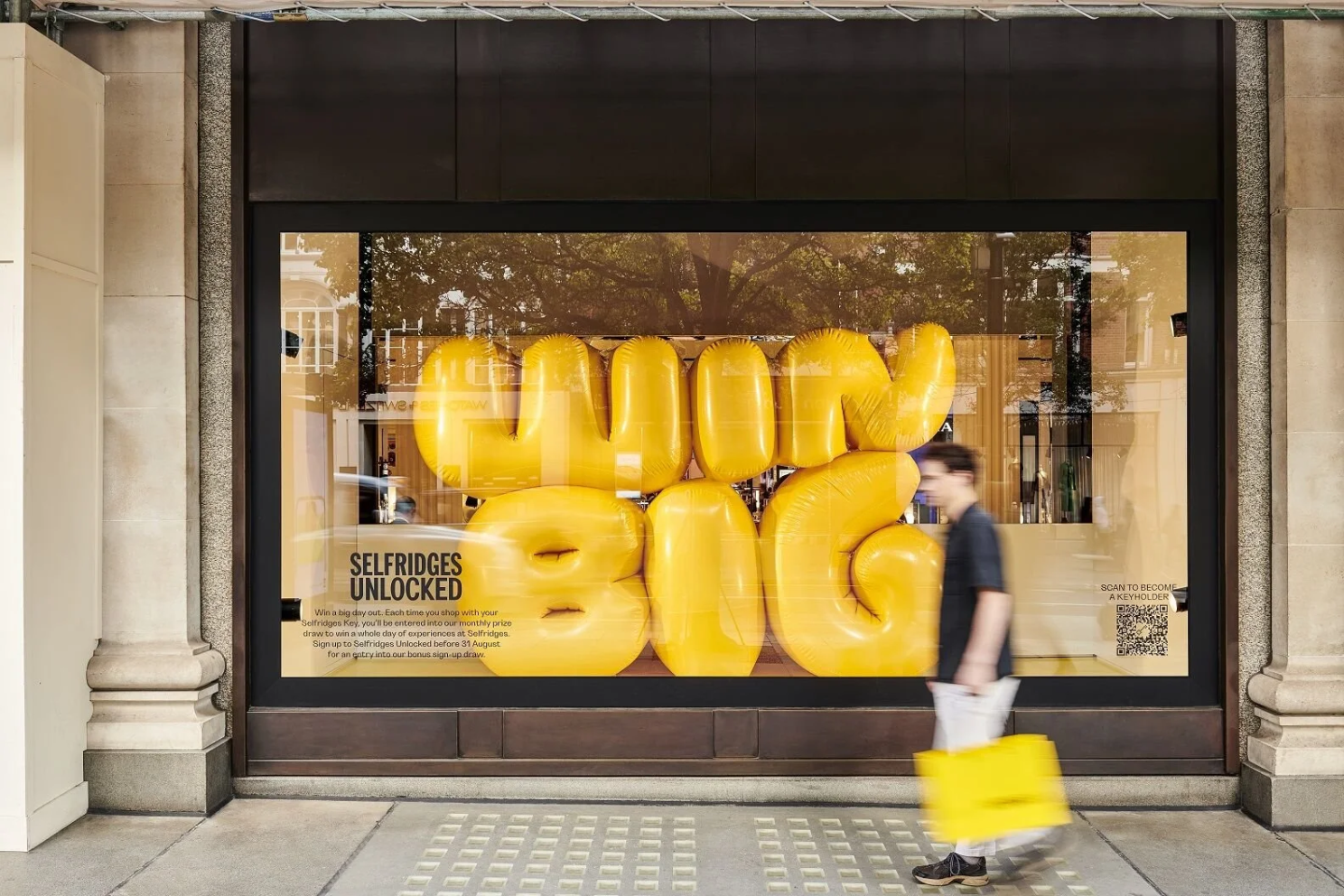
Selfridges recognised this early with its Unlocked programme, which treats engagement as equal to monetary spend. Customers can achieve top-tier Very Selfridges Person status through engagement rather than spending alone. For example, 200 visits to experiential spaces such as The Bowl skating venue or workshops deliver the same status as £10,000 in purchases. Top-tier members receive concierge access, complimentary services, exclusive events and entry to The Selfridges Lounge. The logic is simple. Someone who spends 200 hours with your brand is likely a stronger advocate than a one-time high spender.
#2 Integrate loyalty with lifestyle
Twenty-eight percent of respondents say traditional schemes feel disconnected from how they actually use the product.
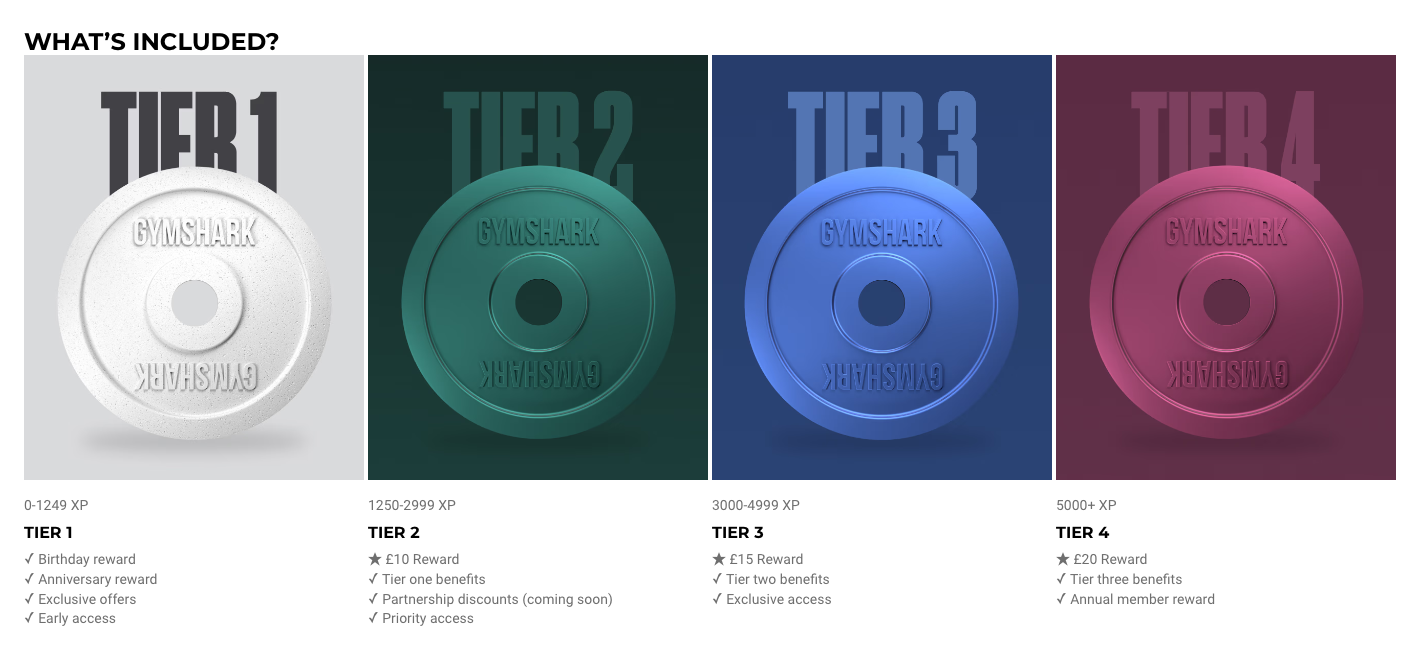
Gymshark addresses this by embedding loyalty into its core proposition. Customers earn points not only through purchases but by logging workouts and engaging with content in the Gymshark Training app. This reframes the brand from an apparel seller into a partner in the customer’s fitness journey. The loyalty loop reinforces the behaviour the product enables, strengthening emotional connection and relevance.
#3 Reward with exclusivity and experience
Sixty-seven percent of respondents expect brands to offer something new, with growing demand for real-world perks that money alone cannot buy.
At Christmas, John Lewis used its stores to create exactly that. The retailer launched The John Lewis Lounge at its Oxford Street flagship for My John Lewis members. The space offered sparkling wine, chocolates and hand massages in a calm private setting during the busiest shopping period of the year.
The initiative transformed the loyalty card from a discount tool into a ticket to a genuine experience. Access, not price, became the reward.
Lessons (to be) learnt in loyalty
Lifestyle-led loyalty is not one size fits all. In tougher economic periods, traditional points and monetary incentives will continue to work, particularly for value-led retailers. However, brands seeking relevance rather than just presence must understand what motivates their audiences beyond financial rewards.
The key shift is this. Loyalty should be treated as a cultural investment rather than a financial cost. That means moving from points to people. From passive buyers to active fans. When brands reward engagement and participation they begin building fandom rather than just retention.
Logging a workout or attending an event does more than trigger a purchase. It validates identity. That identity drives advocacy, turning customers into volunteer marketers who actively promote the brand.
Foresight
Over the next three to five years, loyalty platforms will become more intelligent and personalised through AI. They will increasingly align with individual ambitions and behaviours.
Less: “you bought this, so you might like this.” More: “how can we help you get where you want to go.”
A weekly grocery shop might unlock a cooking class. Sustained engagement with a sportswear brand could lead to one-to-one coaching from a run club trainer. Loyalty will become a more connected and experiential proposition. Status will travel with the customer across aligned brand networks that share brand values and lifestyle codes.
Farsight
Looking five to ten years ahead, traditional loyalty programmes will evolve into community equity models. Top-tier fans will move from customers to collaborators. The most engaged audiences and fans will earn influence over future products, experiences and spaces. In some cases they may even hold stakes in the brand communities they help build. The transactional relationship will give way to participatory brand ecosystems.
Get in touch
It is an exciting moment for brands seeking to increase value while reducing financial liability tied up in unused points. If you want to convert loyal but transactional customers into lifelong fans, we would love to help you design the next generation of loyalty ecosystems. Get in touch with [email protected] to explore how Household can help future-proof your loyalty strategy for the fan-first era.
*How We Know: Beyond our work in loyalty with leading global brands, our Fanalytics research tool engaged 100+ retail loyalty customers to uncover these insights. It’s real-time, it’s actionable, and it’s all about understanding the evolving audiences that matter most to your brand to drive innovation and revenue.