
For a long time, talking about money was taboo. But across social feeds, dinner tables and group chats, people are now far more vocal and candid about their spending habits.
For a long time, talking about money was taboo. But across social feeds, dinner tables and group chats, people are now far more vocal and candid about their spending habits.
We’re seeing a spectrum of money mindsets. From YOLO-led doom spending, deliberate splurges justified as a coping mechanism when long-term milestones feel out of reach, to soft saving where people consciously prioritise near‑term wellbeing over distant financial goals.
At the other end of the spectrum, loud budgeting reflects a more empowered stance: making financial limits explicit, shared and socially acceptable to reduce the pressure of overspending. Looming over it all is recession core, a growing obsession with spotting economic signals — from hemlines to lipstick sales.
These attitudes can seem contradictory, but they reveal an ambient anxiety about money. Decision-making moves between modes of release and restraint, shaping not just big purchases but everyday choices.
This isn’t just Gen Z-ification or TikTok exaggeration. Only 29% of people globally say they feel hopeful about their financial future, down from 60% last year (Nudge, 2025), and 77% of consumers are actively changing their spending habits due to rising costs (EY, 2025).
That shift has real implications for brands. People aren’t simply scanning for cheaper options or louder reassurance. They’re making more deliberate, more conditional decisions, with sharper sensitivity to how brands show up – raising the stakes for how value is framed, justified and felt in the moment.
In this month’s F word, we explore how emerging and contradictory spending behaviours are redefining value and what it takes for brands to respond without adding to the noise.
Household Fanalytics*
We asked 300+ fans how uncertainty is shaping their spending and what they expect of brands in return. Rather than a single shift, we uncovered a set of tensions brands can design for:
Cost-conscious doesn’t mean a complete cutback
People haven’t abandoned the things that feel rewarding; they’ve just become more selective about them.
73% of our respondents agree that brands should acknowledge financial pressure without making the experience feel heavy or joyless – people still look to brands for moments of escape and joy.
Across categories, brands are responding by lowering the threshold for access, re-opening the door to enjoyment on new terms.
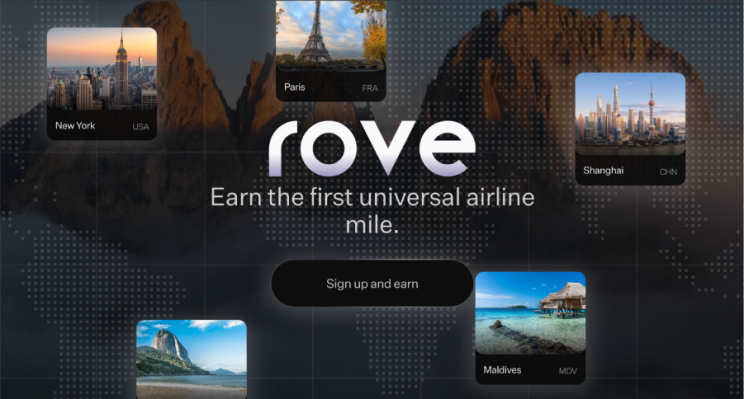
Within finance, Rove allows its customers to earn air miles without a credit card, while the Brazilian app dWallet turns personal data into cashback, decoupling rewards from debt or credit history entirely. Subscription-based models are evolving to bake in more flexibility; Uber One’s ‘pauseable’ membership removes the pressure of locking into an ongoing commitment.
In retail, developed with Household, Amazon’s Treasure Truck reframes value as episodic discovery – limited time drops turn discounts into moments of anticipation and delight. What draws people in isn’t the saving itself but the feeling of having spotted something worthwhile. Similarly, the enduring appeal of Lidl’s middle aisle lies in the quiet joy of the unexpected plus the validation of making a smart choice.
Value for today’s cost-conscious consumer is as much about justification and satisfaction as it is about price. By redesigning access to meet people where they are financially, brands make enjoyment feel possible without financial overexposure. Value isn’t being measured in savings alone, but in return on experience.
Feeling smart matters more than being reassured
During periods of volatility, the emotional cost of a purchase is much higher.
This is why many traditional brand responses to the cost of living are falling flat. Push tactics, heavier messaging, shrinkflation and surface-level value moves, like ingredient or formula changes framed as innovation, can backfire. 47% of our respondents say feeling pushed or persuaded undermines their confidence to buy. EY’s research indicates 88% of consumers don’t feel brand messaging reflects their needs, and 42% believe some brand improvements are simply cost-cutting exercises rather than genuine value-adds (EY, 2025).
When pressure is high, people want experiences that reinforce their capability and savviness. This explains the rise of loud budgeting as people reclaim their spending decisions and actively tune out the outside noise.
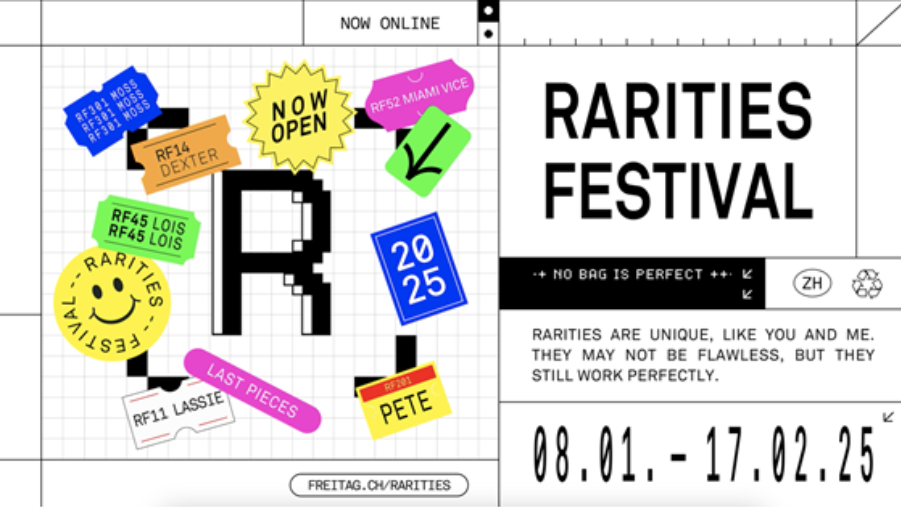
Brands need to reduce the cost of ‘wrong’ decisions – not convincing people to buy more, but reframing purchase decisions so they feel defensible over time. Back Market’s “Downgrade Now” campaign celebrates an underconsumption-centred choice, validating restraint as culturally savvy. John Lewis’ campaign ‘Buying once is an act of rebellion’ positions fewer purchases as discernment, not sacrifice. Swiss bag brand Freitag positions discounted or end-of-line items with minor flaws, ‘Rarities’, with messaging that speaks to the value of product idiosyncrasies – “rarities are unique, like you and me’.
Pausing to purchase doesn’t mean opting out
Uncertainty creates decision fatigue. When the stakes feel high and the future feels hazy, hesitation isn’t apathy; it’s a rational response. We see this in the rise of watchlists replacing impulse buys, cart abandonment reframed as self-control and the growing preference for renting or trialling over buying outright.
In our survey, 91% of respondents said they’ve changed how they spend in the last year, with almost half cutting back and the other half spending more carefully while still allowing for small luxuries.
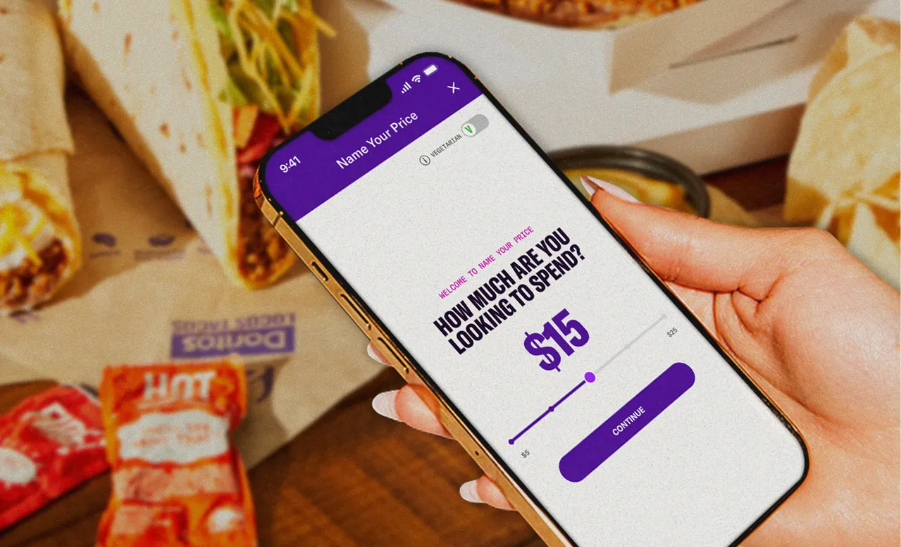
In crisis mode, people take longer to decide. The brands securing favour are those designing for that hesitation, not attempting to rush people to conversion. Taco Bell’s spending cap control asks diners how much they’re looking to spend and generates a personalised edit of products, a positive framing of choice that removes pressure. Google’s price-tracking agentic checkout allows people to choose a ‘Buy for me’ option, allowing AI agents to complete checkout on their behalf once it reaches a customer-selected set price. This removes a constant need for monitoring and hands valuable time back to the customer.
Options like The Library of Things, B&Q’s tool rental, or Rundle’s try-before-you-buy models monetise the “not just yet”, turning delay into a supported choice. These experiences and business models make it safe to wait.
The future: Brand experiences that flex for money mindsets
As people move between different money mindsets, consumer value is being redefined by how light an experience feels.
This means shifting away from price-led propositions toward formats, journeys and tools that carry the load: clearer decision pathways, fewer forced trade-offs, and ways to participate that don’t demand all-in commitment upfront.
Foresight: Over the next 2-3 years, winning brands will continue to engineer relief into their customer journeys as a competitive advantage. Expect to see fewer blanket discounts and urgency cues, and more designed-in flexibility: pauseable subscriptions, spend caps, reversible choices, modular offers and loyalty models that reward participation over lock-in. Valuable brands will be the systems people can rely on, not just to excite and incentivise, but to carry the weight of decision-making and make life easier.
Farsight: Looking 5-10 years ahead, brands that assume people have one stable “value mindset” will feel obsolete. As money mindsets continue to fluctuate, brand experiences and formats will become responsive by design. We’ll see experiences that flex automatically: pricing that adjusts to behaviour or time of day, benefits that scale up or down without penalty, and technology embedded to simplify choices rather than sell harder. Loyalty will come from brands that keep working for you even when life – and money – doesn’t.
To find out more about how Household partners with leading brands to design next-gen brands and experiences tuned to evolving financial mindsets, get in touch: [email protected].
*How We Know: Beyond our work with global brands, our Fanalytics research tool engaged 300+ fans and experience lovers to uncover these insights. It’s real-time, it’s actionable, and it’s all about understanding the evolving audiences that matter most to your brand to drive innovation and revenue.